
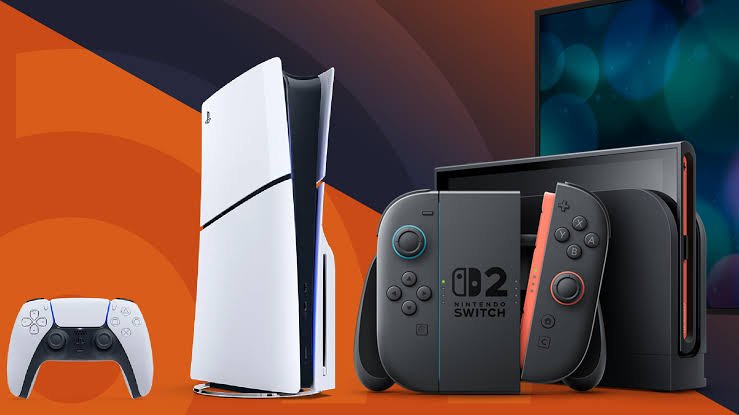
Gaming has become one of the most popular forms of entertainment around the world. From casual players who enjoy a quick game after work to dedicated gamers who spend hours exploring virtual worlds, gaming offers something for everyone. At the center of this experience is the gaming console, a device designed to make playing video games simple, immersive, and enjoyable.
A modern gaming console is much more than a machine that runs games. Today’s consoles can stream movies, connect players with friends, provide access to digital game stores, support online multiplayer, and even offer advanced graphics and immersive sound. With so many choices available, understanding what a gaming console offers can help you decide which system is right for your needs.
What Is a Gaming Console?
A gaming console is an electronic device specifically designed to play video games. Unlike a gaming PC, which can be used for many different computing tasks, a console is primarily built around gaming. It normally connects to a television or monitor and is controlled with a dedicated game controller.
Gaming consoles have evolved significantly over the years. Earlier systems offered simple graphics and limited gameplay, while modern consoles can produce detailed environments, realistic lighting, fast loading times, and high-resolution visuals.
Most current consoles also connect to the internet. This allows players to download games, install updates, compete with other people online, communicate with friends, and access various entertainment services.
Why Are Gaming Consoles So Popular?
One of the biggest reasons people choose a gaming console is convenience. A console is generally easier to set up than a gaming PC. You connect it to a display, plug in the power cable, connect a controller, and you are usually ready to play.
Another advantage is that consoles provide a consistent gaming environment. Developers know the hardware specifications of a particular console, allowing them to optimize games specifically for that system. This can result in smooth performance and reliable gameplay.
Gaming consoles are also popular because they bring people together. Multiplayer games allow friends and family members to compete or cooperate, whether they are sitting in the same room or playing online from different locations.
Types of Gaming Consoles
There are several types of gaming consoles available, and each serves a slightly different purpose.
Home Gaming Consoles
Home consoles are designed to stay connected to a television or monitor. They typically offer powerful hardware, high-quality graphics, large game libraries, and extensive online features.
These systems are ideal for players who want an immersive gaming experience at home. They can support everything from sports and racing games to role-playing adventures and competitive multiplayer titles.
Portable Gaming Consoles
Portable consoles are designed for gaming while traveling or away from a television. Their built-in screens and controls make them convenient for playing in different locations.
Portable gaming has become increasingly popular because players do not have to stay in one place to enjoy their favorite games. Depending on the system, players may also be able to connect to a larger display when they are at home.
Hybrid Gaming Consoles
Hybrid consoles combine features of home and portable systems. Players can use them as traditional home consoles and then switch to handheld gaming when they want more freedom.
This flexibility makes hybrid systems particularly attractive to people who want one device that can adapt to different gaming situations.
Important Features to Consider
Choosing the right gaming console involves more than looking at its appearance. Several features can affect your overall gaming experience.
Performance and Graphics
Performance is one of the most important factors. A powerful console can provide better graphics, smoother frame rates, and more detailed game environments.
If you enjoy visually impressive games, look for a console that supports high resolutions and advanced graphical features. However, graphics are not everything. A console with an excellent selection of games may provide more value than one with slightly better technical specifications.
Game Library
The available game library should be a major consideration before buying a console. Different platforms may have different exclusive games and franchises.
Think about the types of games you enjoy. If you prefer racing games, action adventures, sports titles, or role-playing games, check whether your preferred titles are available on the console you are considering.
A large game library gives you more options and can make the console useful for many years.
Storage Capacity
Modern games can require significant storage space. Digital downloads, updates, downloadable content, screenshots, and saved games can quickly fill a console’s internal storage.
If you plan to maintain a large digital library, choosing a system with sufficient storage is important. Some consoles may also support additional storage options, allowing players to expand their available space.
Controller Design
The controller is one of the main ways you interact with games, so comfort matters. A good controller should feel natural in your hands and provide responsive buttons and controls.
Features such as vibration feedback, motion controls, wireless connectivity, and customizable buttons can also improve the experience depending on the type of games you play.
Online Gaming
Online connectivity has become a major part of modern gaming. Many games allow players to compete against opponents or cooperate with friends over the internet.
Before choosing a console, check the online services available for the platform. Consider factors such as multiplayer access, digital game purchases, cloud features, and communication options.
Gaming Console vs. Gaming PC
The debate between gaming consoles and gaming PCs has existed for many years. Both have advantages, but the better choice depends on what you want from your gaming experience.
A gaming console is generally simpler to use. You do not need to worry as much about hardware compatibility or configuring graphics settings. Consoles are also designed around a fixed hardware platform, making them convenient for people who want to start playing without spending a lot of time adjusting settings.
Gaming PCs, on the other hand, offer greater customization. Players can upgrade components, adjust graphical settings, use different accessories, and perform tasks beyond gaming.
For someone who values simplicity and wants a dedicated gaming machine, a console can be an excellent choice. For users who enjoy customization and broader computer functionality, a gaming PC may be more suitable.
Benefits of Owning a Gaming Console
There are several reasons why a gaming console can be a worthwhile entertainment device.
First, consoles are easy to use. Once everything is connected, you can usually start playing within minutes.
Second, consoles offer a wide variety of games. Whether you enjoy relaxing puzzle games or intense competitive experiences, there is likely something available for you.
Third, consoles can provide social entertainment. Local multiplayer allows people in the same room to play together, while online multiplayer connects players around the world.
Finally, modern consoles can serve as entertainment hubs. Depending on the platform, users may be able to access streaming services, music, digital stores, and other applications.
How to Choose the Right Gaming Console
The best gaming console is not necessarily the most expensive one. Instead, focus on your personal gaming habits and budget.
Start by making a list of the games you want to play. Then compare which consoles support those games. After that, consider storage, performance, controller comfort, online features, and the total cost of ownership.
You should also think about who will use the console. A family may prioritize simple multiplayer games and parental controls, while a competitive gamer may care more about performance and online features.
If portability is important, a portable or hybrid system may be the better option. If you mainly play games at home on a large television, a traditional home console could make more sense.
Tips for Getting the Most From Your Gaming Console
Once you purchase a gaming console, a few simple habits can improve your experience.
Keep the system in a well-ventilated area so that heat can escape properly. Avoid placing it somewhere that blocks its ventilation openings.
Keep your games and console software updated. Updates can improve performance, fix bugs, add features, and address security issues.
If you purchase games digitally, manage your storage regularly. Removing games you no longer play can free up space for new titles.
It is also worth investing in a comfortable gaming setup. A suitable chair, good-quality headphones, and a properly positioned display can make longer gaming sessions more enjoyable.
Most importantly, remember to take regular breaks. Gaming should be an enjoyable form of entertainment, and balancing screen time with other activities is important.
The Future of Gaming Consoles
The gaming industry continues to change rapidly. Future consoles are likely to focus on faster performance, improved graphics, smarter features, and more connected gaming experiences.
Cloud technology may also play a larger role in the future. Instead of depending entirely on local hardware, players may increasingly stream games over the internet. Improvements in internet speeds and cloud infrastructure could make this experience more accessible.
Virtual reality, artificial intelligence, immersive audio, and other technologies may also influence how people interact with games.
Even as technology changes, the basic purpose of a gaming console will remain the same: providing an enjoyable and accessible way for people to play games.
Frequently Asked Questions
1. What is a gaming console?
A gaming console is an electronic device designed primarily for playing video games. It usually connects to a television or monitor and uses a dedicated controller. Modern consoles can also provide online multiplayer, digital game downloads, streaming services, and other entertainment features.
2. Is a gaming console better than a gaming PC?
It depends on your preferences. A gaming console is usually simpler to set up and use, while a gaming PC provides more customization and upgrade options. Consoles are a good choice for people who want convenient gaming without dealing with complex hardware configurations.
3. What should I consider before buying a gaming console?
Consider the games available on the platform, performance, storage capacity, controller design, online features, portability, and overall price. Your preferred games should be one of the most important factors because different platforms can have different game libraries and exclusive titles.
4. Can gaming consoles be used for more than gaming?
Yes. Many modern gaming consoles can perform several entertainment functions besides playing games. Depending on the system, users may access streaming platforms, music, online stores, social features, and other applications through the console.
5. How long can a gaming console last?
A gaming console can remain useful for many years if it is properly maintained. Its lifespan depends on factors such as hardware quality, usage, ventilation, software support, and how carefully the system is handled. Keeping the console clean, cool, and updated can help maintain its performance.
Final Thoughts
A gaming console can provide hours of entertainment while offering access to a huge variety of games and online experiences. Whether you are a beginner, a casual player, or a dedicated gamer, there are systems designed to suit different preferences and budgets.
Before buying one, consider the games you want to play, the performance you need, storage capacity, controller comfort, online features, and whether portability matters to you. Instead of choosing a console simply because it is popular, focus on the features that match your lifestyle.
With the right gaming console, you can enjoy immersive adventures, competitive matches, social multiplayer sessions, and countless other gaming experiences from the comfort of your home or, with portable systems, almost anywhere.