
Mobile devices have become an important part of everyday life. From smartphones and tablets to smartwatches and other portable gadgets, these devices help people communicate, work, learn, shop, travel, and entertain themselves from almost anywhere. What was once considered a luxury has now become a basic part of modern life for billions of people around the world.
The rapid development of technology has made mobile devices more powerful, compact, and convenient. Today, a smartphone can perform many of the tasks that once required a computer, camera, GPS device, music player, calculator, and even a television. As technology continues to improve, mobile devices are becoming even more useful and connected.
What Are Mobile Devices?
Mobile devices are portable electronic devices designed to perform different tasks while allowing users to move freely. They usually have wireless connectivity, rechargeable batteries, and operating systems that support applications and digital services.
Smartphones are the most common type of mobile device. However, the category also includes tablets, smartwatches, e-readers, portable gaming consoles, and other connected gadgets. Each device is designed for a specific purpose, although many modern devices offer overlapping features.
For example, a smartphone can be used for making calls, sending messages, browsing the internet, taking photographs, watching videos, managing finances, and accessing social media. A tablet may provide a larger screen that is more comfortable for reading, studying, designing, or watching entertainment.
The Evolution of Mobile Devices
The history of mobile technology has changed dramatically over the past few decades. Early mobile phones were relatively large, expensive, and limited in functionality. Their primary purpose was voice communication, and they were not accessible to everyone.
As technology improved, mobile phones became smaller, lighter, and more affordable. Text messaging became popular, followed by mobile internet, cameras, music players, and other features.
The introduction of smartphones marked a major turning point. Instead of being used mainly for communication, phones became multifunctional computers that could fit inside a pocket. Touchscreens and mobile applications made it possible for users to customize their devices according to their individual needs.
Today, mobile devices offer advanced cameras, fast processors, artificial intelligence features, biometric security, high-quality displays, and fast wireless connections. This evolution shows how quickly technology can transform everyday habits.
Why Mobile Devices Are So Important
One of the biggest advantages of mobile devices is convenience. People no longer need to be sitting at a desk to access information or complete many everyday tasks. A smartphone can provide access to email, banking, maps, documents, entertainment, and communication within seconds.
Communication is another major benefit. People can stay connected through phone calls, instant messaging, video calls, and social networking platforms. Families and friends can communicate across countries without relying on traditional communication methods.
Mobile devices have also transformed the workplace. Employees can respond to emails, attend online meetings, access company systems, and manage documents while traveling or working remotely. This flexibility has become especially valuable as remote and hybrid work have grown.
Mobile Devices in Education
Education has also benefited greatly from mobile technology. Students can use smartphones and tablets to access digital books, educational videos, online courses, dictionaries, research materials, and learning applications.
A student who has access to a mobile device and an internet connection can find educational resources from almost anywhere. This can be particularly helpful for people who do not have easy access to traditional libraries or educational facilities.
Teachers can also use mobile technology to share assignments, communicate with students, create interactive lessons, and provide digital resources. However, responsible use is important because mobile devices can also create distractions during study time.
Mobile Devices and Business
Businesses rely heavily on mobile technology. From small businesses to large organizations, mobile devices help employees communicate and manage their daily responsibilities.
Sales representatives can access customer information while visiting clients. Business owners can monitor payments and sales through mobile applications. Managers can communicate with their teams without being physically present in the office.
Mobile commerce has also changed the way people shop. Customers can compare products, read reviews, make payments, and place orders directly from their smartphones. As a result, businesses are increasingly designing their websites and services with mobile users in mind.
Entertainment on Mobile Devices
Entertainment is another area where mobile devices have had a significant impact. People can watch movies, listen to music, play games, read books, and follow live events without needing separate equipment for every activity.
Streaming services have made entertainment especially accessible. Instead of waiting for a television program to air or purchasing physical media, users can access content whenever they want.
Mobile gaming has also become a major form of entertainment. Modern smartphones can run games with detailed graphics and online multiplayer features. For many people, mobile gaming offers a convenient way to relax during free time.
The Role of Mobile Devices in Daily Life
For many people, the day begins and ends with a mobile device. Smartphones are commonly used as alarm clocks, calendars, cameras, navigation tools, communication platforms, and sources of news.
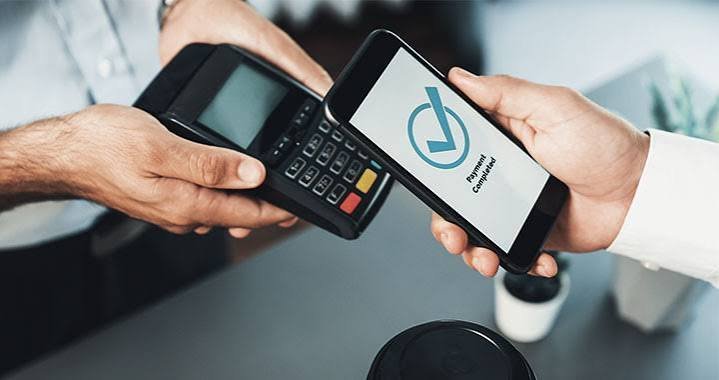
Navigation applications have made traveling easier by providing directions, traffic information, public transportation details, and location-based services. Mobile payment systems have also reduced the need to carry cash or physical cards in many situations.
Health and fitness features are becoming increasingly common as well. Smartwatches and smartphones can track physical activity, exercise sessions, sleep patterns, and other wellness-related information. These features can encourage people to pay more attention to their daily habits.
Security and Privacy Concerns
Despite their many advantages, mobile devices also create privacy and security challenges. Because people store personal information on their devices, losing a phone or allowing unauthorized access can create serious problems.
Users should protect their devices with strong passwords, biometric security, and regular software updates. It is also important to be careful when downloading applications or clicking unknown links.
Privacy is another concern. Many applications collect information about users, including location and activity data. Reading app permissions and privacy settings can help users understand what information they are sharing.
Public Wi-Fi networks should also be used carefully, particularly when accessing sensitive accounts. Taking basic security precautions can significantly reduce many common risks.
The Future of Mobile Devices
The future of mobile technology is likely to bring even more advanced features. Artificial intelligence is already being integrated into smartphones and other devices, helping users perform tasks more efficiently.
Foldable screens, improved batteries, faster wireless networks, and more powerful processors are also changing the possibilities of mobile technology. Wearable devices may become increasingly connected with smartphones, creating a more integrated digital experience.
At the same time, manufacturers are paying more attention to sustainability. Longer-lasting batteries, recycled materials, energy-efficient components, and improved repairability could help reduce the environmental impact of electronic devices.
The future may also bring greater integration between mobile devices and other technologies in homes, vehicles, workplaces, and public services. Instead of thinking of a smartphone as a separate gadget, people may increasingly use it as a central tool for controlling and interacting with their digital environment.
Choosing the Right Mobile Device
Choosing a mobile device depends on individual needs and budget. Someone who mainly wants a device for calls, messaging, and social media may not need the most expensive model.
People who take many photographs may want a device with a high-quality camera. Students may prefer a tablet with a large screen and long battery life, while professionals may prioritize processing power, security, and compatibility with workplace applications.
Battery life, storage capacity, display quality, operating system, durability, and software support are also important factors to consider. Instead of choosing a device simply because it is popular, consumers should consider how they actually plan to use it.
Frequently Asked Questions
1. What are mobile devices?
Mobile devices are portable electronic gadgets that allow users to perform various tasks while moving freely. Smartphones, tablets, smartwatches, and portable gaming devices are common examples.
2. Why are mobile devices important?
Mobile devices provide convenient access to communication, information, entertainment, education, banking, navigation, and many other services. They allow people to complete tasks from almost anywhere.
3. Are mobile devices useful for students?
Yes. Students can use mobile devices to access online courses, educational applications, digital books, research materials, videos, and communication tools. However, they should be used responsibly to avoid unnecessary distractions.
4. How can I keep my mobile device secure?
Use a strong password or biometric lock, install software updates, download applications from trusted sources, review app permissions, and avoid clicking suspicious links. Regular backups can also help protect important information.
5. What should I consider when buying a mobile device?
Consider your budget and how you plan to use the device. Important factors include battery life, storage, camera quality, display, performance, durability, software support, and security features. Choosing based on your actual needs can help you get better value.
Conclusion
Mobile devices have transformed modern life by making communication, information, work, education, shopping, and entertainment more accessible. Their compact size and wide range of capabilities allow people to perform tasks that once required several separate devices.
However, convenience also comes with responsibilities. Users need to pay attention to privacy, security, screen time, and responsible digital habits. Choosing the right device and using it wisely can help people enjoy the benefits of modern technology without allowing it to become a source of unnecessary problems.
As technology continues to advance, mobile devices will likely become even more powerful and deeply connected to everyday life. Whether used for business, education, communication, or entertainment, they have already become one of the defining technologies of the modern digital world.