
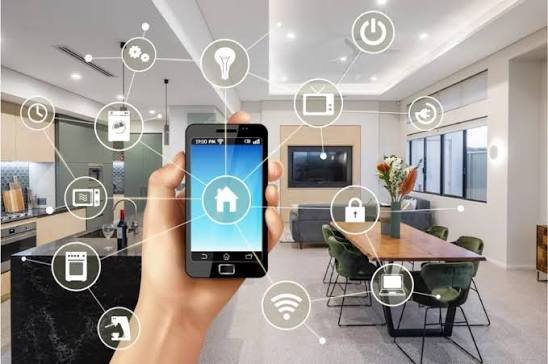
Technology has become an important part of everyday life, and Smart Devices are at the center of this digital transformation. From smartphones and smartwatches to smart TVs, home security systems, and intelligent kitchen appliances, these devices are designed to make daily activities easier, faster, and more convenient. They can connect to the internet, communicate with other devices, collect information, and perform tasks with little human effort.
The popularity of smart technology continues to grow because people want better control over their homes, health, communication, entertainment, and work. Smart devices are no longer limited to technology enthusiasts. They are becoming common in households, offices, schools, and businesses around the world.
What Are Smart Devices?
Smart devices are electronic products that use technology to perform functions beyond those of traditional devices. Most smart devices can connect to the internet or communicate with other devices through technologies such as Wi-Fi, Bluetooth, or cellular networks.
For example, a traditional light can simply be turned on or off using a switch. A smart light, however, can be controlled through a smartphone application or voice command. Users may also schedule it to turn on at a particular time or automatically adjust its behavior based on specific conditions.
Similarly, a traditional watch primarily tells time, while a smartwatch can monitor physical activity, display notifications, track sleep, measure heart rate, and perform several other functions.
The main idea behind smart technology is simple: devices use connectivity, sensors, software, and sometimes artificial intelligence to provide more useful and personalized experiences.
Common Types of Smart Devices
There are many different types of smart devices available today. Each category serves a different purpose, but most are designed to improve convenience and efficiency.
Smart Phones
Smartphones are perhaps the most widely used smart devices. They combine communication, entertainment, photography, navigation, banking, shopping, and many other services in one portable device.
Modern smartphones can connect to smart home products, track health information, provide access to cloud services, and use artificial intelligence to improve various features.
Smartwatches
Smartwatches have become popular among people who want quick access to information without constantly checking their phones. Many models can display messages, answer calls, track workouts, monitor sleep, and provide health-related measurements.
They can also work as fitness companions by recording steps, calories, distance, and other activity information.
Smart Home Devices
Smart home technology includes products such as smart lights, thermostats, doorbells, locks, cameras, speakers, and appliances. These devices can often be controlled remotely using a smartphone or voice assistant.
For example, a homeowner can check a security camera while away from home or turn off smart lights without physically entering the room.
Smart TVs
Smart TVs connect to the internet and allow users to access streaming platforms, online videos, music services, and other digital content without requiring a separate streaming device.
Many smart TVs also support voice controls and can connect with other devices in the home.
Smart Appliances
Refrigerators, washing machines, ovens, vacuum cleaners, and other household appliances are increasingly becoming smarter. Some can send notifications to a smartphone, monitor their own operation, or allow users to control settings remotely.
These features can save time and make household management more convenient.
Benefits of Smart Devices
One of the biggest advantages of smart technology is convenience. Smart devices can automate repetitive tasks and give users greater control over different aspects of their lives.
Convenience and Automation
Smart devices can perform tasks automatically according to schedules, preferences, or environmental conditions. A smart thermostat, for example, can adjust the temperature based on a user’s routine.
Automation can reduce the amount of time people spend performing simple tasks manually.
Better Connectivity
Smart devices allow different products to communicate with one another. A smartphone can act as a central control point for lights, cameras, speakers, appliances, and other connected products.
This interconnected environment can make everyday activities more efficient.
Improved Energy Efficiency
Some smart devices can help users monitor and reduce energy consumption. Smart thermostats can adjust heating or cooling based on occupancy, while smart lights can be programmed to switch off when they are not needed.
Over time, these small changes may contribute to lower energy usage.
Health and Fitness Tracking
Wearable smart devices can help users understand their daily activity and health-related habits. Depending on the device, users may be able to monitor exercise, sleep patterns, heart rate, and other measurements.
This information can encourage people to become more aware of their lifestyle and physical activity.
Enhanced Security
Smart security cameras, doorbells, locks, and sensors can provide homeowners with additional ways to monitor their properties. Many systems can send alerts when unusual activity is detected.
Remote access also allows users to check their homes from almost anywhere with an internet connection.
How Smart Devices Use Artificial Intelligence
Artificial intelligence is becoming an important part of modern smart devices. AI allows devices to analyze information, recognize patterns, understand commands, and provide more personalized experiences.
Voice assistants are a common example. Users can ask a smart speaker to play music, provide weather information, create reminders, or control compatible devices.
AI can also improve smartphone photography, recommend content on smart TVs, detect unusual activity in security systems, and personalize recommendations based on user behavior.
As AI technology develops, smart devices are expected to become more capable and responsive.
Challenges and Risks of Smart Devices
Although smart technology offers many benefits, it also creates challenges that users should understand.
Privacy Concerns
Many smart devices collect information to provide their services. Cameras, microphones, location services, and activity sensors may gather different types of data.
Users should understand what information a device collects, how it is stored, and who may have access to it. Choosing trustworthy manufacturers and reviewing privacy settings can help reduce unnecessary data exposure.
Cybersecurity
Internet-connected devices can potentially become targets for hackers. Weak passwords, outdated software, and unsecured networks can increase security risks.
Users should create strong and unique passwords, enable security features such as two-factor authentication when available, and keep device software updated.
Compatibility Problems
Not every smart device works with every smart home platform. A product may support one ecosystem but not another.
Before purchasing a smart device, it is useful to check compatibility with existing products and the platform a user plans to use.
Cost
Smart devices can be more expensive than traditional alternatives. Although some products can save money or time over the long term, the initial purchase price may be higher.
Consumers should consider whether the smart features are genuinely useful before making a purchase.
How to Choose the Right Smart Device
With so many options available, choosing the right device can sometimes feel difficult. The first step is to identify the actual problem the device should solve.
For example, someone interested in improving home security may benefit from a smart camera or doorbell, while someone focused on fitness may prefer a smartwatch or fitness tracker.
Users should also consider compatibility, security, privacy policies, battery life, durability, available features, and customer support.
It is not always necessary to purchase the most expensive product. A device with fewer features may be a better choice if it meets the user’s needs.
The Future of Smart Devices
The future of smart technology is likely to involve even greater connectivity and automation. Devices may become better at understanding individual preferences and responding to changing situations.
Smart homes could become more integrated, allowing lighting, heating, security, entertainment, and appliances to work together more effectively. Wearable technology may also provide increasingly useful information about health and daily activities.
Artificial intelligence will likely play a major role in this development. Instead of simply following commands, future smart devices may be able to predict what users need based on patterns and context.
However, the growth of smart technology will also make privacy, cybersecurity, transparency, and responsible data management increasingly important.
Frequently Asked Questions
1. What are smart devices?
Smart devices are electronic products that can connect to the internet or communicate with other devices. They often use software, sensors, and connectivity to perform advanced functions and provide users with greater control and convenience.
2. What is the most common smart device?
The smartphone is one of the most common smart devices. It combines communication, internet access, entertainment, photography, navigation, banking, and many other functions in a single portable device.
3. Are smart devices safe to use?
Smart devices can be safe when users follow good security practices. Strong passwords, regular software updates, secure Wi-Fi networks, and appropriate privacy settings can help reduce potential security and privacy risks.
4. Can smart devices save energy?
Yes, certain smart devices can help reduce energy consumption. Smart thermostats, lights, and appliances can automatically adjust their operation according to schedules, occupancy, or user preferences.
5. Do smart devices require Wi-Fi?
Not every smart device requires Wi-Fi. Some use Bluetooth, cellular connections, or other communication technologies. However, many smart home products rely on Wi-Fi for remote access and internet-based features.
6. Can smart devices work together?
Yes, compatible smart devices can often work together through a shared platform or smart home ecosystem. However, compatibility varies between manufacturers and products, so users should check compatibility before purchasing.
7. Are smart devices expensive?
The cost varies significantly depending on the type, brand, and features of the device. Basic smart products can be relatively affordable, while advanced systems may require a larger investment.
8. What is the future of smart devices?
The future of smart devices is expected to include greater automation, improved artificial intelligence, better connectivity, and more personalized experiences. Privacy and cybersecurity will also become increasingly important as more products become connected.
Conclusion
Smart devices have changed the way people communicate, work, exercise, entertain themselves, and manage their homes. Their ability to connect to the internet, collect information, communicate with other devices, and automate tasks makes them valuable tools for modern life.
From smartphones and smartwatches to connected appliances and security systems, smart technology offers numerous opportunities to improve convenience and efficiency. At the same time, users should pay attention to privacy, cybersecurity, compatibility, and cost before investing in connected products.
As technology continues to evolve, smart devices are likely to become even more integrated into everyday life. The most useful devices will not necessarily be the ones with the most features, but those that solve real problems while giving users control, security, and convenience.