
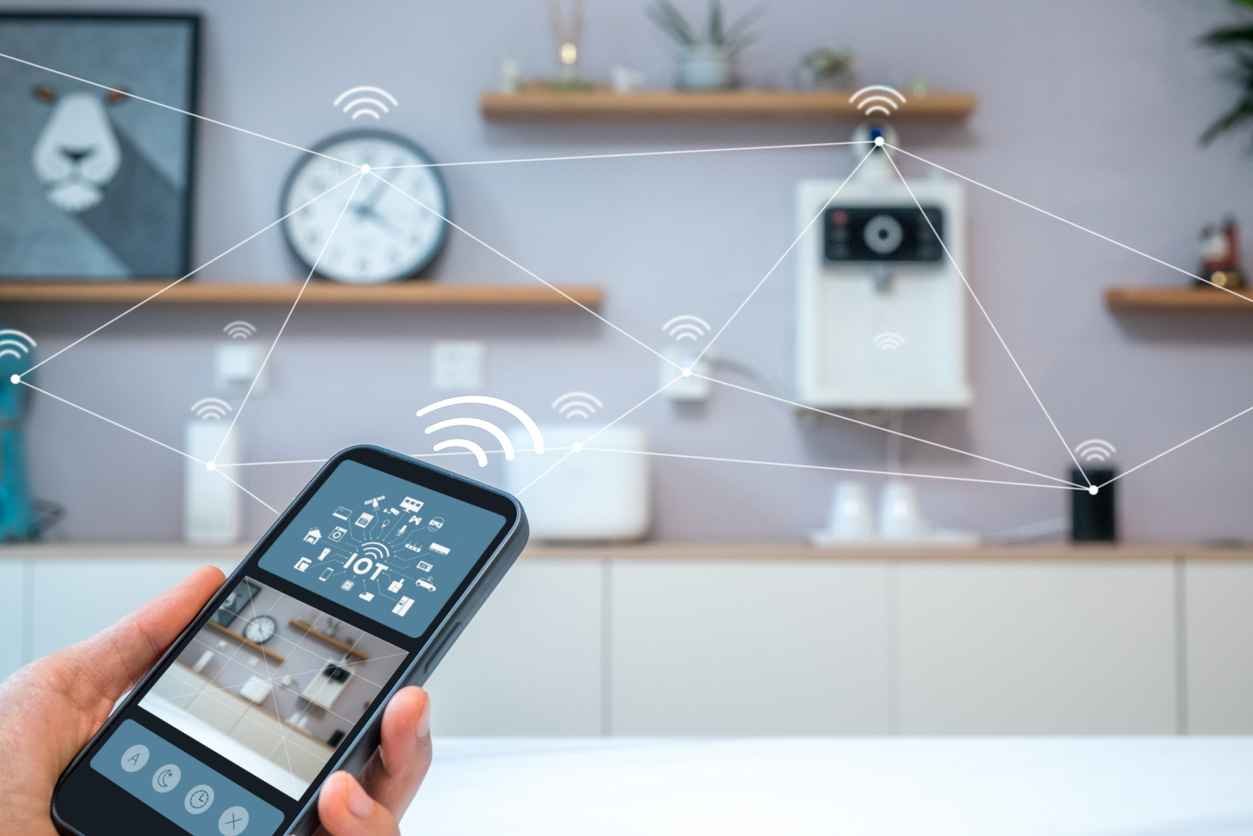
Technology has become an important part of everyday life, and smart devices are one of the biggest reasons for this change. From smartphones and smartwatches to smart TVs, home security systems, and connected kitchen appliances, these devices are designed to make daily tasks easier, faster, and more convenient. They can connect to the internet, communicate with other devices, collect information, and sometimes even make decisions based on the data they receive.
The growing popularity of smart devices shows how quickly people are adapting to connected technology. Instead of simply performing one task, modern devices can offer multiple features while communicating with other products and services. This connected environment is changing the way people work, communicate, manage their homes, and even take care of their health.
What Are Smart Devices?
Smart devices are electronic products that use advanced technology to perform tasks in a more intelligent or automated way. Most smart devices can connect to the internet or other devices through technologies such as Wi-Fi, Bluetooth, or mobile networks.
A traditional device usually performs a specific function when a person operates it manually. A smart device, however, can often respond to commands, collect data, learn from user behavior, or work automatically according to specific settings.
For example, a traditional light can be switched on and off manually. A smart light can be controlled through a smartphone, voice assistant, or scheduled routine. Similarly, a smart thermostat can adjust the temperature based on preferences and environmental conditions.
Popular Types of Smart Devices
There are many different types of smart devices available today, and new products continue to appear as technology develops.
Smartphones
Smartphones are perhaps the most common smart devices. They combine communication, entertainment, photography, navigation, banking, shopping, and many other functions in one portable product. With access to thousands of applications, a smartphone can be customized according to a person’s needs.
Smartwatches
Smartwatches have become increasingly popular because they provide useful information directly on the wrist. Depending on the model, they can display notifications, track physical activity, monitor heart rate, provide navigation, and support calls and messages.
For people who want quick access to information without constantly checking their phone, a smartwatch can be particularly useful.
Smart Home Devices
Smart home technology includes products such as smart bulbs, smart speakers, smart locks, smart thermostats, cameras, and connected appliances. These devices can often be managed through a mobile application or voice commands.
For instance, a homeowner can turn lights on or off remotely, check a security camera while away from home, or adjust the temperature before arriving home.
Smart TVs
Smart TVs have changed the way people consume entertainment. Instead of relying only on traditional television channels, users can access streaming platforms, online videos, music services, and other internet-based content directly through the television.
Many smart TVs also support voice control and can connect with smartphones and other devices.
Smart Health and Fitness Devices
Health-related smart devices are becoming increasingly common. Fitness trackers, smart scales, and wearable health monitors can collect information about physical activity, sleep patterns, heart rate, and other measurements.
This information can help users understand their daily habits and encourage them to maintain healthier routines. However, these devices should not be treated as a replacement for professional medical advice.
Benefits of Smart Devices
One of the main advantages of smart devices is convenience. Many routine tasks can be completed with less effort because devices can be controlled remotely or programmed to work automatically.
For example, smart lighting can be scheduled to turn on at a particular time, while a smart vacuum cleaner can clean certain areas according to a preset schedule. These features can save time and make household routines easier.
Another important benefit is connectivity. Smart devices can communicate with each other, creating a connected environment. A smartphone can control smart lights, a smartwatch can display phone notifications, and a smart speaker can interact with compatible home appliances.
Smart devices can also help people become more aware of how they use energy. Smart thermostats, plugs, and energy monitors can provide information about electricity consumption. This may encourage users to reduce unnecessary energy use and potentially lower their bills.
Security is another area where smart technology can be useful. Smart cameras, doorbells, locks, and motion sensors can provide homeowners with additional ways to monitor their property. Some systems can send alerts to a smartphone when unusual activity is detected.
How Smart Devices Are Changing Daily Life
The influence of smart devices extends beyond individual products. They are changing everyday habits and expectations.
At home, people can use connected technology to automate lighting, heating, entertainment, and security. In the workplace, smart devices can support communication, productivity, and remote collaboration. In transportation, connected systems can provide navigation, traffic information, and vehicle-related services.
Smart technology is also influencing education. Students can use tablets, laptops, digital assistants, and other connected tools to access educational resources from almost anywhere. This provides more flexibility and allows learners to explore information beyond traditional classrooms.
Another major change is personalization. Many smart devices collect information about how users interact with them. This data can be used to customize recommendations, settings, notifications, and other features.
For example, a music application may recommend songs based on listening history, while a fitness application may provide activity suggestions based on previous performance.
Are Smart Devices Safe?
Although smart devices offer many advantages, they also create concerns, particularly around privacy and security. Because many connected products collect and transmit information, users need to understand how their data is handled.
Weak passwords, outdated software, and unsecured networks can increase the risk of unauthorized access. A smart camera or home device connected to the internet should therefore be protected with a strong, unique password and updated regularly.
Users should also review privacy settings and understand what information a device collects. Buying products from reputable manufacturers and installing official software updates can provide additional protection.
Another consideration is dependence on technology. When many daily activities rely on connected devices, technical problems or internet outages can become inconvenient. For this reason, it is sensible to maintain basic alternatives for important functions.
The Future of Smart Devices
The future of smart devices is likely to be shaped by artificial intelligence, automation, improved connectivity, and better integration between products. Devices are becoming more capable of understanding voice commands, recognizing patterns, and responding to changing conditions.
Artificial intelligence may make smart devices more personalized. Instead of simply following a command, future systems could understand routines and provide useful suggestions automatically.
For example, a connected home might recognize when residents usually return from work and adjust lighting or temperature accordingly. Similarly, wearable devices may provide increasingly detailed insights into daily activity.
However, the future of smart technology will also depend on responsible development. Manufacturers will need to focus on security, privacy, energy efficiency, and transparent data practices.
How to Choose the Right Smart Device
With so many products available, choosing the right smart device can sometimes be confusing. The first step is to identify the actual problem the device is supposed to solve.
Buyers should consider compatibility before making a purchase. A device may work well on its own but have limited functionality if it cannot communicate with other products already being used.
Security features should also be considered. Look for products that receive regular software updates and provide strong account protection.
Price is another important factor. The most expensive device is not always the best choice. A product that offers the features a user actually needs may provide better value than one packed with unnecessary functions.
Finally, users should consider ease of use. A smart device should make life simpler rather than create unnecessary complexity. A clear mobile application, reliable connectivity, and straightforward controls can make a significant difference.
Frequently Asked Questions
1. What are smart devices?
Smart devices are electronic products that can connect to the internet or other devices and perform functions using software, sensors, automation, or data. Examples include smartphones, smartwatches, smart TVs, smart speakers, and connected home appliances.
2. What are the main benefits of smart devices?
The main benefits include convenience, automation, remote control, connectivity, personalization, and access to useful information. Smart devices can help users save time and manage everyday activities more efficiently.
3. Are smart devices secure?
Smart devices can be secure when they are properly configured and regularly updated. Users should create strong passwords, enable available security features, install software updates, and carefully review privacy settings.
4. Can smart devices work without the internet?
Some smart devices can perform basic functions without an internet connection, while others depend heavily on online services. Their offline capabilities vary depending on the product and manufacturer.
5. What should I consider before buying a smart device?
Consider the device’s purpose, compatibility, security features, privacy policies, price, reliability, and ease of use. It is best to choose a product that solves a genuine need and works well with the technology you already use.
Conclusion
Smart devices are transforming modern life by making everyday technology more connected, convenient, and personalized. From smartphones and smartwatches to connected home appliances and security systems, these products are becoming a regular part of daily routines.
Their benefits include automation, remote control, connectivity, personalization, and improved access to information. At the same time, users should remain aware of privacy, security, compatibility, and dependence on technology.
As artificial intelligence and connectivity continue to develop, smart devices are likely to become even more capable. The key is to use them thoughtfully and choose products that genuinely improve everyday life. When used responsibly, smart technology can make many ordinary tasks easier while opening the door to a more connected future.