
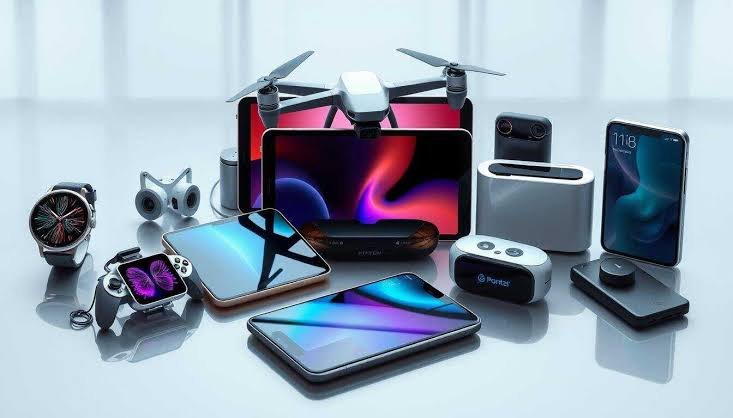
Technology is changing faster than ever, and every year brings a new wave of exciting devices designed to make life easier, smarter, and more connected. From powerful smartphones and AI-powered laptops to smartwatches, wireless earbuds, and innovative home devices, the latest gadgets are becoming an important part of everyday life.
What makes modern gadgets different is not simply their design or performance. Many new devices now use artificial intelligence, advanced sensors, improved connectivity, and smarter software to understand how people use them. As a result, technology is becoming more personal and useful than it was just a few years ago.
Whether you are a technology enthusiast, a professional, a student, or someone who simply enjoys discovering new products, keeping up with the latest gadgets can help you understand where technology is heading. Let’s explore some of the most interesting gadget categories and the trends shaping the future of consumer technology.
1. AI-Powered Smartphones
Smartphones remain one of the most important gadget categories in the world. However, modern phones are no longer focused only on better cameras, faster processors, or larger displays. Artificial intelligence has become one of the biggest developments in smartphone technology.
New smartphones are increasingly capable of using AI for tasks such as photo editing, translation, voice assistance, writing suggestions, call summaries, and personalized recommendations. Some devices can remove unwanted objects from photographs, improve image quality, and organize information automatically.
Camera technology is also continuing to improve. High-resolution sensors, better low-light performance, optical zoom, and computational photography allow users to capture impressive images without carrying a professional camera.
For everyday users, the biggest advantage is convenience. Instead of downloading several separate applications for different tasks, AI features can bring many useful functions directly into the smartphone.
2. Smartwatches and Health Technology
Smartwatches have evolved from simple notification devices into sophisticated personal technology companions. The latest models can monitor activity, heart rate, sleep patterns, workouts, and other health-related information.
Fitness tracking is particularly popular among people who want to become more active. A smartwatch can record steps, distance, calories, workout duration, and other measurements. Many models also provide reminders to move, guided workouts, and personalized activity goals.
Another major advantage is connectivity. Users can receive messages, answer calls, control music, check calendars, and access various applications without constantly taking their phones out of their pockets.
As sensors become more advanced, smartwatches are likely to become even more useful. However, users should remember that consumer health gadgets are not substitutes for professional medical advice or diagnosis.
3. Wireless Earbuds Are Getting Smarter
Wireless earbuds have become a popular gadget for music, entertainment, work, and communication. Modern earbuds offer much more than basic audio playback.
Active noise cancellation has become a major feature, allowing users to reduce surrounding sounds while listening to music or participating in calls. Transparency modes, meanwhile, allow environmental sounds to pass through when users need to remain aware of their surroundings.
Some of the latest earbuds also include AI-related features, improved microphones, spatial audio, and better voice processing. These improvements can make conversations clearer, especially in busy environments.
Battery life and charging have also improved. Compact charging cases allow users to carry additional power without needing a separate charger throughout the day.
4. Smart Glasses and Wearable Technology
Smart glasses represent one of the most interesting areas of the latest gadgets. Although the technology is still developing, companies are experimenting with glasses that combine traditional eyewear with cameras, microphones, speakers, and intelligent software.
Depending on the device, smart glasses may allow users to listen to audio, make calls, capture photographs, or interact with digital assistants while keeping their hands free.
The long-term potential is even more exciting. Future wearable devices could provide real-time translations, navigation information, reminders, and contextual assistance.
Privacy will remain an important consideration, particularly for glasses equipped with cameras. Manufacturers will need to balance convenience with responsible technology design.
5. AI Laptops and Productivity Devices
Laptops are also becoming smarter. Modern computers increasingly include dedicated hardware designed to handle AI-related workloads more efficiently.
AI-powered laptops can assist with tasks such as document creation, image processing, transcription, communication, and productivity. Some systems can perform certain AI functions locally, which may provide benefits in terms of speed and privacy.
Battery efficiency is another important area of improvement. New processor designs are helping manufacturers create laptops that are powerful while maintaining strong battery performance.
For students and professionals, this combination of performance, portability, and intelligent software can make everyday work considerably easier.
6. Smart Home Gadgets
The smart home market continues to expand as more household devices become connected to the internet. Smart lights, security cameras, thermostats, doorbells, speakers, plugs, and appliances can now work together through connected ecosystems.
One of the biggest benefits is automation. For example, smart lights can turn on automatically at a specific time, while a smart thermostat can adjust the temperature based on schedules or preferences.
Security gadgets are also becoming increasingly popular. Smart cameras and video doorbells can provide notifications when movement is detected, allowing homeowners to monitor their property remotely.
The challenge is that connected devices can create privacy and security concerns. Users should choose reputable products, keep software updated, and use strong passwords to protect their accounts and networks.
7. Portable Gaming Gadgets
Gaming technology is no longer limited to traditional desktop computers and home consoles. Portable gaming devices have created a new category for people who want console-style gaming experiences while traveling.
Modern handheld gaming devices can provide powerful graphics, high-quality displays, physical controls, and access to large game libraries. Some are designed specifically for gaming, while others can run a broader range of applications.
Cloud gaming and faster internet connections are also influencing this market. Instead of storing every game locally, players can increasingly access games through online services.
For gamers who travel frequently, portable gaming gadgets offer a convenient way to enjoy entertainment almost anywhere.
8. Advanced Tablets and E-Readers
Tablets continue to occupy the space between smartphones and laptops. The latest tablets feature larger high-resolution displays, powerful processors, improved accessories, and better multitasking capabilities.
With a keyboard and stylus, a modern tablet can become a useful productivity device for writing, studying, drawing, and professional work.
E-readers are also improving. Their lightweight designs and eye-friendly displays make them particularly useful for people who read frequently. Some newer models offer adjustable lighting, waterproof designs, and improved battery life.
9. The Rise of Smart Tracking Devices
Small tracking gadgets have become useful for people who frequently misplace keys, bags, wallets, or other belongings. These compact devices can connect with smartphones and help users locate missing items.
Their usefulness goes beyond convenience. Travelers can attach trackers to luggage, while parents may use compatible products to keep track of personal belongings.
As location technology improves, these small gadgets are likely to become more accurate and integrated into everyday digital ecosystems.
What Should You Consider Before Buying the Latest Gadgets?
Buying the newest gadget simply because it is new is not always the best decision. Before making a purchase, consider what you actually need from the device.
First, compare the key features rather than focusing only on marketing claims. Battery life, durability, software support, compatibility, and performance can be more important than having the newest design.
Price is another important factor. A slightly older premium gadget may offer better value than a brand-new model with features you may never use.
You should also consider the ecosystem. Some devices work particularly well with products from the same manufacturer. If you already own a smartphone, laptop, or smartwatch from a specific brand, compatibility may influence your decision.
Finally, think about long-term software support and security. A gadget that receives regular updates can remain useful for many years.
The Future of Latest Gadgets
The future of consumer technology will likely focus heavily on artificial intelligence, connectivity, personalization, and energy efficiency. Instead of simply becoming faster, devices are becoming better at understanding what users want.
AI assistants may become more deeply integrated into phones, computers, cars, and household devices. Wearable technology could also become more capable while becoming smaller and more comfortable.
Another important trend is the development of more sustainable technology. Manufacturers are under increasing pressure to reduce electronic waste, improve energy efficiency, and use recyclable materials.
Ultimately, the most exciting gadgets will not necessarily be the ones with the longest list of specifications. The most successful devices will be those that solve real problems and make technology feel simple rather than complicated.
Frequently Asked Questions
1. What are the latest gadgets?
The latest gadgets include new smartphones, smartwatches, wireless earbuds, AI-powered laptops, smart glasses, home automation devices, portable gaming systems, tablets, and tracking devices. New models are regularly introduced with improved performance and smarter features.
2. Which latest gadgets are most useful for everyday life?
Smartphones, smartwatches, wireless earbuds, laptops, and smart home devices are among the most useful everyday gadgets. The right choice depends on your lifestyle, budget, and the tasks you want the device to perform.
3. Are AI-powered gadgets worth buying?
AI-powered gadgets can be worthwhile if their intelligent features solve problems you regularly face. Features such as writing assistance, image editing, translation, organization, and voice interaction can make everyday tasks more convenient.
4. What should I check before buying a new gadget?
Check the device’s performance, battery life, durability, compatibility, software support, security features, warranty, and price. Reviews can also help you understand how the product performs in real-world use.
5. Are the newest gadgets always better?
Not necessarily. A newer gadget may offer improved technology, but an older model can sometimes provide better value. If the new features are not important to you, buying an earlier version may save money.
6. How are AI and gadgets connected?
AI allows gadgets to perform tasks that traditionally required more manual input. Smartphones, laptops, earbuds, and smart home devices can use AI for communication, personalization, image processing, recommendations, and automation.
7. Are smart home gadgets safe?
Smart home gadgets can be safe when purchased from reputable manufacturers and properly configured. Users should install security updates, use strong passwords, enable available security features, and regularly review connected devices.
8. What will future gadgets look like?
Future gadgets are expected to become more intelligent, connected, compact, and personalized. AI, wearable technology, smart home systems, improved batteries, and more sustainable materials are likely to play major roles in future consumer technology.
Conclusion
The world of latest gadgets is constantly evolving. From AI-powered smartphones and smartwatches to wireless earbuds, smart home devices, portable gaming systems, and intelligent computers, technology is becoming more connected and personalized every year.
The best gadget is not necessarily the newest or most expensive one. It is the device that offers useful features, reliable performance, good security, and genuine value for your specific needs.
As artificial intelligence and connected technology continue to develop, consumers can expect even smarter and more capable devices in the years ahead. Staying informed about these trends can help you make better purchasing decisions and discover technology that genuinely improves everyday life.